Protein

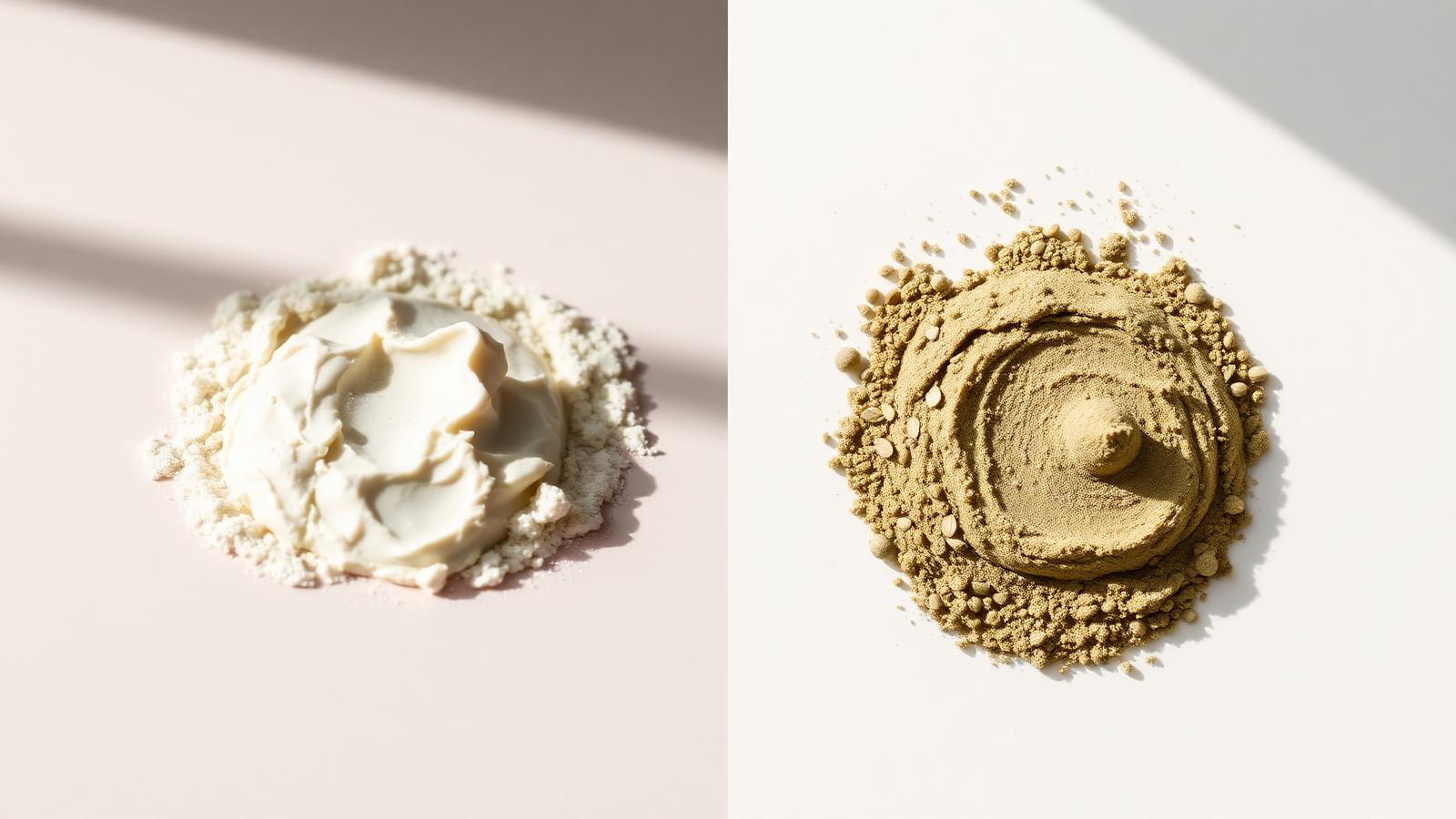
Plant vs. whey: a fair comparison

Digestibility, amino-acid profile, sustainability — without tribal thinking.

PI
Protein Insider
11 min read
Last updated Apr 2, 2026
Plant vs. whey: a fair comparison
Key takeaways
  • The "plant vs.
  • Whey has a practically ideal profile with a high leucine share (around 11%), which directly triggers the muscle-building mTOR pathway.
  • Practical consequence: if you supplement with plant protein, raise your serving size by about 30% to hit the same mTOR effect.
Table of contents

The "plant vs. whey" debate is often fought on tribal lines. We only care about four questions: how much muscle does it build, how well tolerated is it, how clean is the formula, and what does it cost per gram of usable protein?

Amino-acid profile

Whey has a practically ideal profile with a high leucine share (around 11%), which directly triggers the muscle-building mTOR pathway. Pea protein sits at 8% leucine, rice protein at 8.2%. Combined (roughly 70/30 pea/rice) you get a complete profile — but per gram of protein, whey keeps the leucine edge.

Practical consequence: if you supplement with plant protein, raise your serving size by about 30% to hit the same mTOR effect. That also closes the cost gap.

Digestibility and tolerance

Whey isolate is nearly lactose-free, concentrate contains 3–6 g of lactose per serving. About 15% of the Central European population reacts sensitively. Plant blends are lactose-free but can cause bloating from saponins and lectins in some people — usually gone after a 2-week adaptation period.

Sustainability

Whey is a by-product of cheese making — its CO₂ footprint depends on how you allocate the cheese emissions. Plant protein has a clearly lower footprint: roughly 70% less CO₂ and 80% less water per kg of protein. If that matters to you, the answer is straightforward.

Cost per serving

30 g of whey protein costs about €0.75 on average. A comparable plant serving with adjusted size sits at €1.10–1.30. The premium is real but not prohibitive.

Bottom line

Both work. Whey is more efficient per euro and per gram. Plant protein is more sustainable and better tolerated by many. The biggest mistake isn't in the choice — it's in not eating enough of either.

FAQ

Frequently asked questions

Who is this protein guide for?+

Anyone who wants a clear, evidence-based answer without wading through marketing. We wrote it for readers who read the label.

How current is the research cited here?+

We prioritize peer-reviewed studies from the last five years and flag anything older when it still represents the strongest available evidence.

Do you accept sponsorships or paid placements?+

No. Protein Insider is independent — we don't take money from supplement brands and we don't rank products for pay.

Where can I ask follow-up questions?+

Reach us at hello@launch-labs-systems.com. Corrections and disagreements are welcome; we update articles when the evidence shifts.

Scientific references

References & editorial standards

Every article is written against peer-reviewed research, position stands from recognised nutrition societies, and independent lab testing. Full citations are added as each article is formally reviewed.

Last reviewed
Apr 2, 2026

Reviewed by the Protein Insider editorial team.

Evidence level
Moderate — high

Based on meta-analyses, RCTs and position stands where available.

Scientific references
  1. 01
    Reference 1 — citation to be added.
    Author(s) · Journal · Year · DOI / URL
  2. 02
    Reference 2 — citation to be added.
    Author(s) · Journal · Year · DOI / URL
  3. 03
    Reference 3 — citation to be added.
    Author(s) · Journal · Year · DOI / URL
  4. 04
    Reference 4 — citation to be added.
    Author(s) · Journal · Year · DOI / URL
  5. 05
    Reference 5 — citation to be added.
    Author(s) · Journal · Year · DOI / URL

Have a study we should cite here? Send it to our editorial team.

Free download

Get the High Protein Starter Kit — free.

Simple recipes, a shopping list, and everyday principles for eating enough protein without tracking.