Knowledge

Magnesium: which form should you actually take?

Glycinate, citrate, threonate, oxide — a clear comparison without the noise.

PI
Protein Insider
6 min read
Last updated Apr 28, 2026
Magnesium: which form should you actually take?
Key takeaways
  • Magnesium is one of the few supplements where a real deficiency is statistically common — roughly a third of adults in Central Europe don't hit the recommended intake.
  • Glycinate: bound to the amino acid glycine, well tolerated, mildly calming.
  • Citrate: bound to citric acid, high bioavailability, mildly laxative.
Table of contents

Magnesium is one of the few supplements where a real deficiency is statistically common — roughly a third of adults in Central Europe don't hit the recommended intake. The form you pick decides whether your supplement does anything.

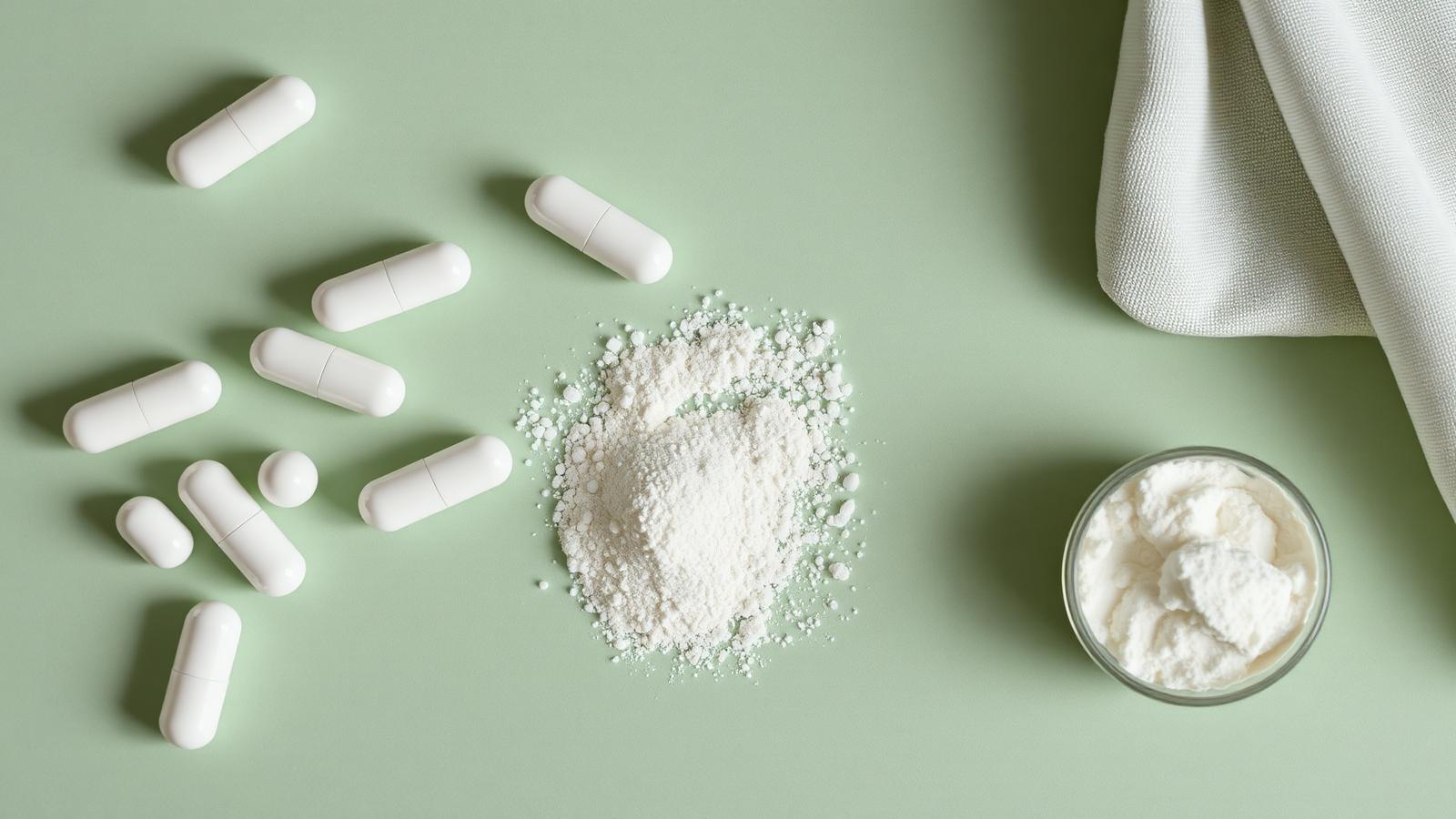
The four main forms

Glycinate: bound to the amino acid glycine, well tolerated, mildly calming. First pick if you dose in the evening or sleep quality matters.

Citrate: bound to citric acid, high bioavailability, mildly laxative. Useful if you're prone to constipation, less ideal before training.

Threonate: the only form that meaningfully crosses the blood-brain barrier. Studies suggest cognitive effects but are small and largely manufacturer-funded.

Oxide: the cheapest and worst. Bioavailability below 4%. Sits in almost every drugstore effervescent — a major reason "magnesium did nothing for me" is true so often.

Our recommendation

For 90% of readers: 300 mg of elemental magnesium as glycinate in the evening. Reliable levels, well tolerated, under 20 cents a day. Use threonate only if cognition is explicitly the goal.
FAQ

Frequently asked questions

Who is this wissen guide for?+

Anyone who wants a clear, evidence-based answer without wading through marketing. We wrote it for readers who read the label.

How current is the research cited here?+

We prioritize peer-reviewed studies from the last five years and flag anything older when it still represents the strongest available evidence.

Do you accept sponsorships or paid placements?+

No. Protein Insider is independent — we don't take money from supplement brands and we don't rank products for pay.

Where can I ask follow-up questions?+

Reach us at hello@launch-labs-systems.com. Corrections and disagreements are welcome; we update articles when the evidence shifts.

Scientific references

References & editorial standards

Every article is written against peer-reviewed research, position stands from recognised nutrition societies, and independent lab testing. Full citations are added as each article is formally reviewed.

Last reviewed
Apr 28, 2026

Reviewed by the Protein Insider editorial team.

Evidence level
Moderate — high

Based on meta-analyses, RCTs and position stands where available.

Scientific references
  1. 01
    Reference 1 — citation to be added.
    Author(s) · Journal · Year · DOI / URL
  2. 02
    Reference 2 — citation to be added.
    Author(s) · Journal · Year · DOI / URL
  3. 03
    Reference 3 — citation to be added.
    Author(s) · Journal · Year · DOI / URL
  4. 04
    Reference 4 — citation to be added.
    Author(s) · Journal · Year · DOI / URL
  5. 05
    Reference 5 — citation to be added.
    Author(s) · Journal · Year · DOI / URL

Have a study we should cite here? Send it to our editorial team.

Free download

Get the High Protein Starter Kit — free.

Simple recipes, a shopping list, and everyday principles for eating enough protein without tracking.